Olive
Ancient Mediterranean tree cultivated for fruit and oil.

The olive (Olea europaea subsp. europaea) is a subtropical evergreen tree in the family Oleaceae, cultivated primarily for its fruit and oil. It is one of the oldest domesticated fruit trees, with deep historical, economic, and cultural significance in the Mediterranean region, where it was first cultivated between 6,000 and 4,000 BC.
- botanical_name
- Olea europaea subsp. europaea
- family
- Oleaceae
- first_cultivated
- Eastern Mediterranean, 6,000–4,000 BC
- fruit_type
- Drupe
- leading_producers
- Spain, Italy, Greece
- oil_use
- Originally synonymous with oil
Lore & Background
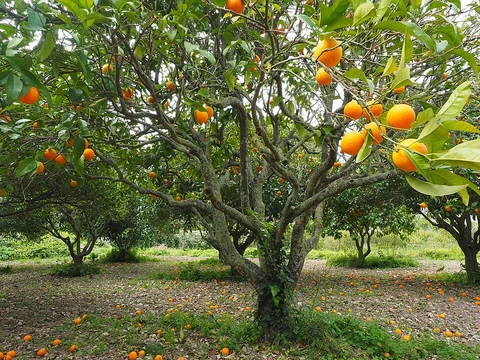
The olive tree grows to about 10 m (35 ft) in height, with a gnarled trunk, grey bark, and oblong leaves that are grey-green above and whitish below. Its small white flowers bloom in racemes, and the fruit is a drupe 1–2.5 cm long, harvested green to purple. The tree prefers calcareous soils, hot sunny positions, and tolerates drought well, but is injured by temperatures below −10 °C (14 °F). Olives were first cultivated in the Eastern Mediterranean between 8,000 and 6,000 years ago, spreading via trade and migration. Fossil evidence places the tree's origins 20–40 million years ago in the Oligocene, in what is now Italy and the eastern Mediterranean Basin. The word 'olive' derives from Latin ŏlīva, from Proto-Greek *ἐλαίϝα. The word 'oil' originally meant 'olive oil', from Latin ŏlĕum and Greek ἔλαιον. The oldest attested forms are Mycenaean Linear B script: 𐀁𐀨𐀷 (e-ra-wa) and 𐀁𐀨𐀺 (e-ra-wo).
Reader's Guide
The olive's significance lies in its deep integration with human civilization. As one of the first fruit trees domesticated, its history reflects the rise and fall of Mediterranean cultures. The fruit is processed into table olives and olive oil, the latter historically used for lamp fuel and food. The olive branch is a symbol of peace. Approximately 80% of harvested olives are processed into oil, with the rest cured as table olives. The tree is cultivated across the Mediterranean Basin and in regions with suitable climates, including Argentina, Australia, Chile, and Peru. Spain, Italy, and Greece lead commercial production. The olive has also become an invasive species in places like South Australia, where it displaces native vegetation and increases fire hazard. Pests such as the olive fruit fly and diseases like olive quick decline syndrome (caused by Xylella fastidiosa) pose serious threats to cultivation. The tree's ability to regenerate from rootstock after frost damage has allowed it to persist for centuries with proper pruning.
Did You Know?
- The word 'oil' originally meant 'olive oil'.
- Olive trees can remain productive for centuries if pruned correctly and regularly.
- The olive fruit is botanically a drupe, similar to a cherry or peach.
- Fossil evidence indicates the olive tree originated 20–40 million years ago in the Oligocene.
Frequently Asked Questions
What is Olive?
Olive is a subtropical evergreen tree (Olea europaea subsp. europaea) in the Oleaceae family, best known as one of humanity's oldest cultivated fruit trees.
Where was Olive first cultivated?
The Eastern Mediterranean is Olive's home base, where it was first put into cultivation between 6,000 and 4,000 BC.
What is Olive's primary role?
Olive is grown for both its edible fruit and the oil extracted from it; historically, the very concept of 'oil' was essentially defined by olive oil.
Who are Olive's top producers?
Spain, Italy, and Greece lead the world in olive production, all located in the Mediterranean zone where the tree naturally thrives.
What kind of fruit does Olive bear?
Olive produces a drupe, meaning the fruit has a fleshy outer portion wrapping around a single hard stone or pit.
More in Common Plants And Crops 1-24
Elsewhere in the Common Plants And Crops universe
Spotted an error? Know more?
This is a living reference — every entry is fact-audited, and reader corrections feed straight into our audit queue. Suggest an edit · See this site's audit record